MTA Public Lecture Explores the Role of Literary Translation in a Global Context
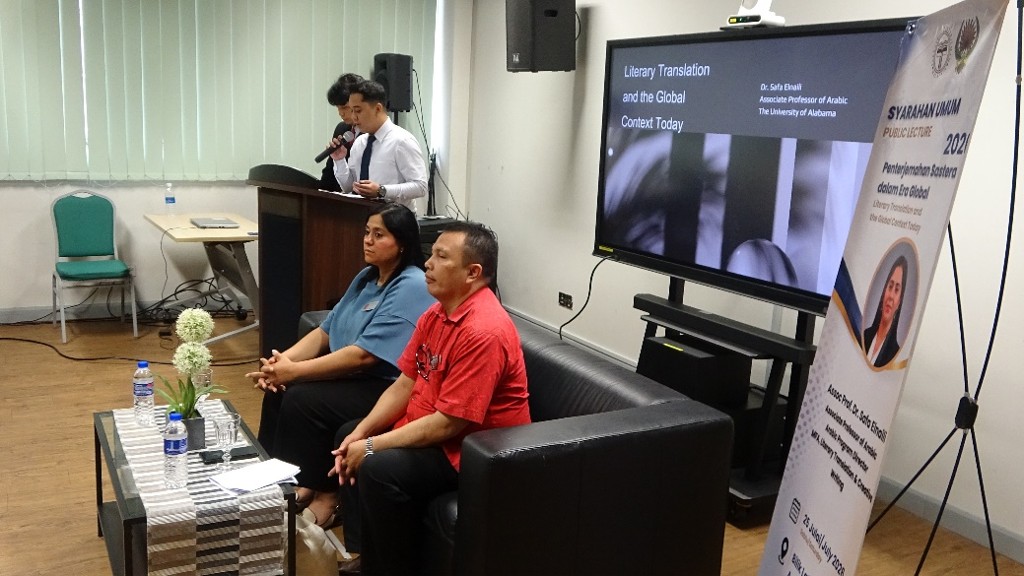
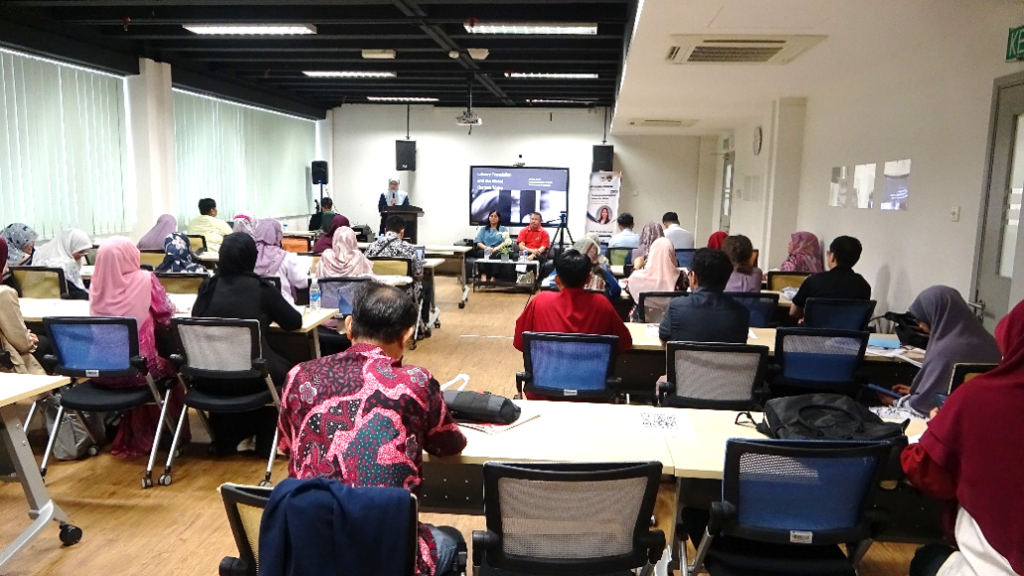
KUALA LUMPUR, 25 July 2026 – The Malaysian Translators Association (MTA) organised a public lecture entitled “Literary Translation and the Global Context Today” at Training Rooms 6 and 7, Level 5, Wisma Dewan Bahasa dan Pustaka (DBP).
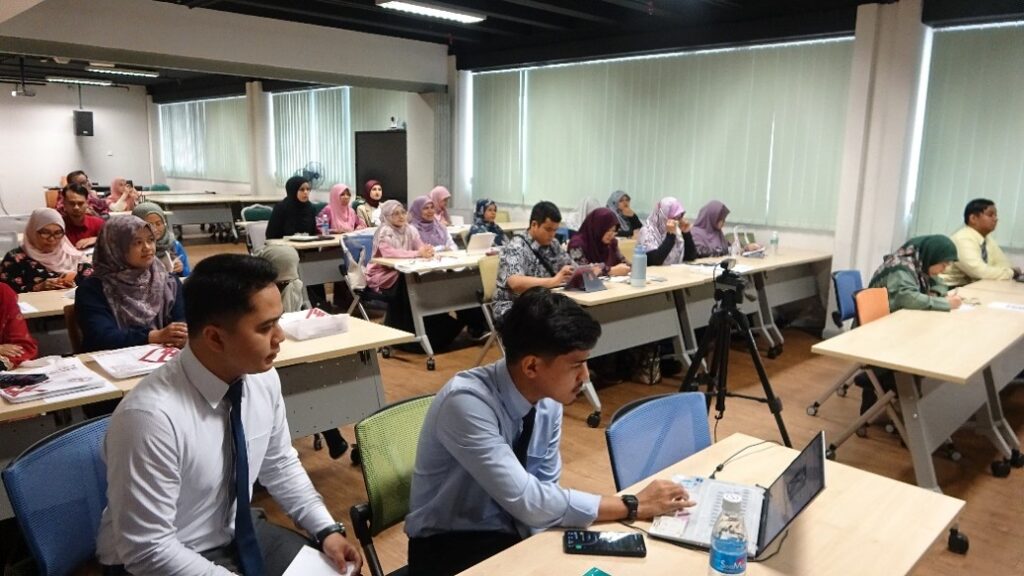
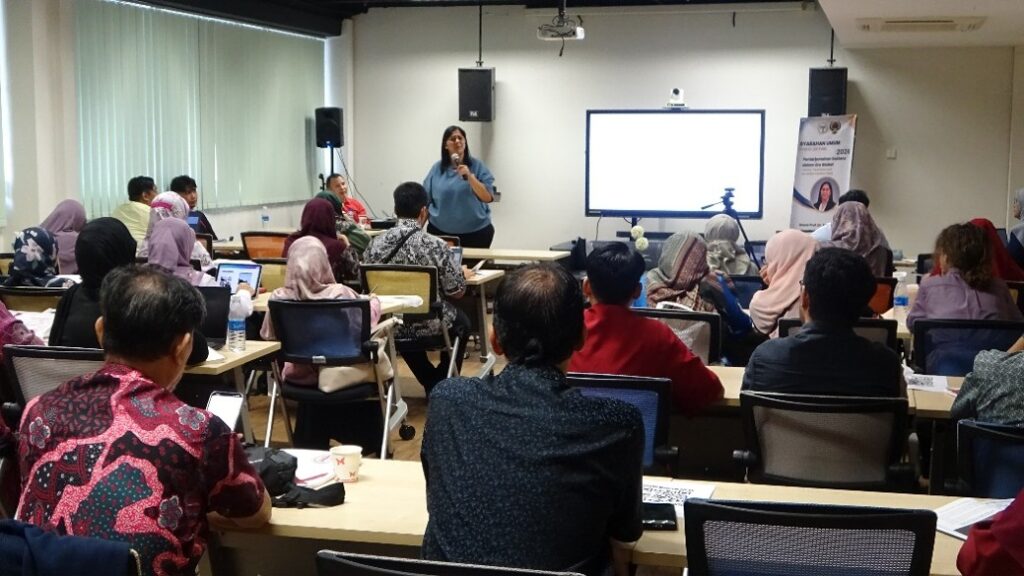
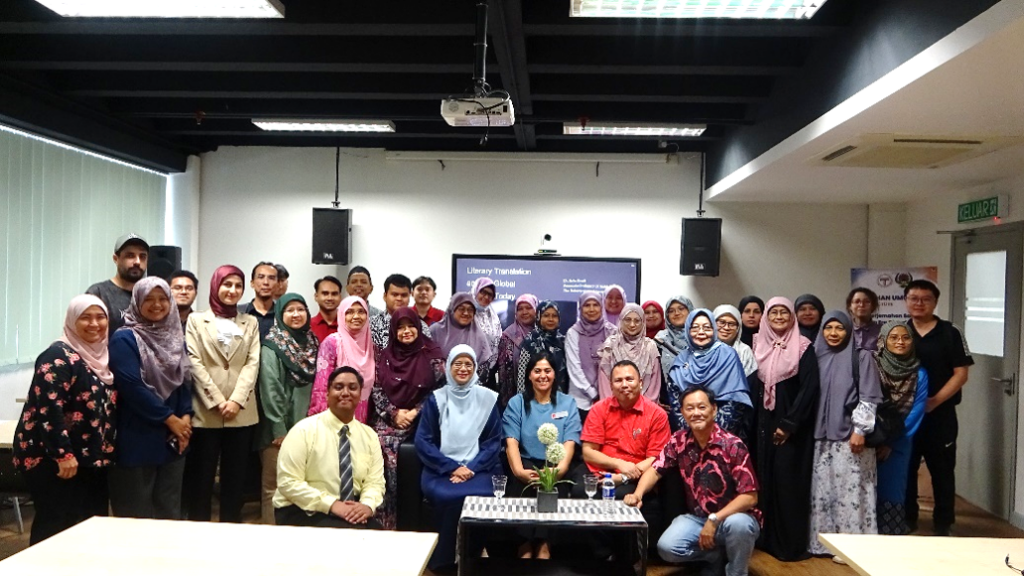
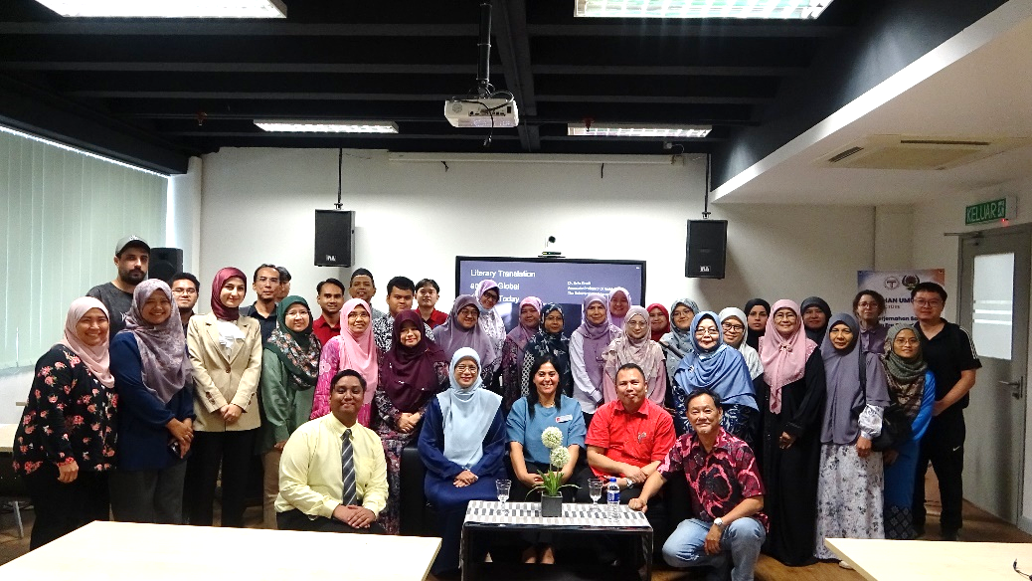
The two-hour lecture was delivered by Associate Professor Dr Safa Elnaili, Associate Professor of Arabic and Director of the Arabic Language Programme at the Department of Modern Languages and Classics, The University of Alabama, United States. The lecture brought together 35 in-person participants, including translators, language practitioners, academics and individuals with an interest in literary translation.
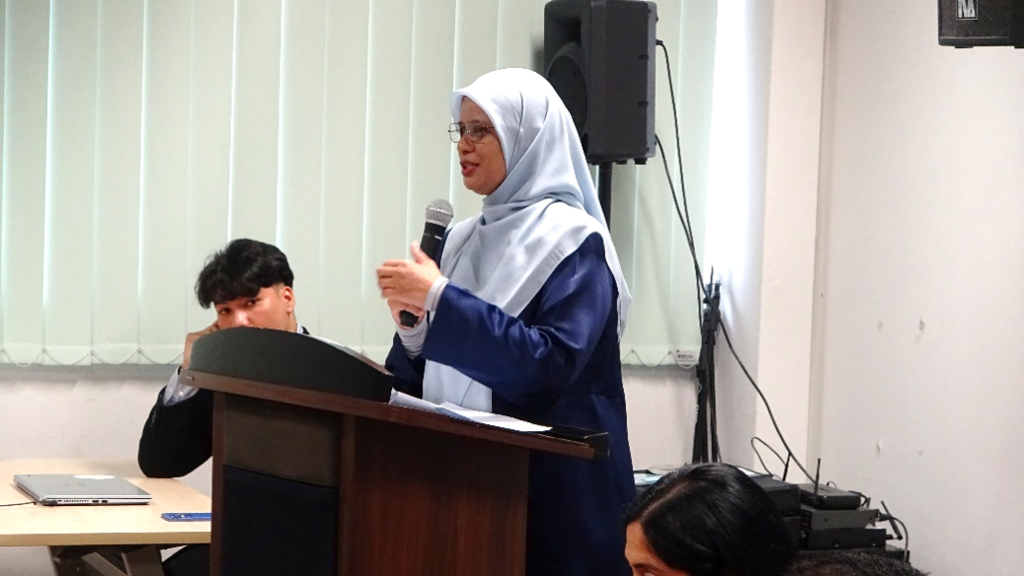
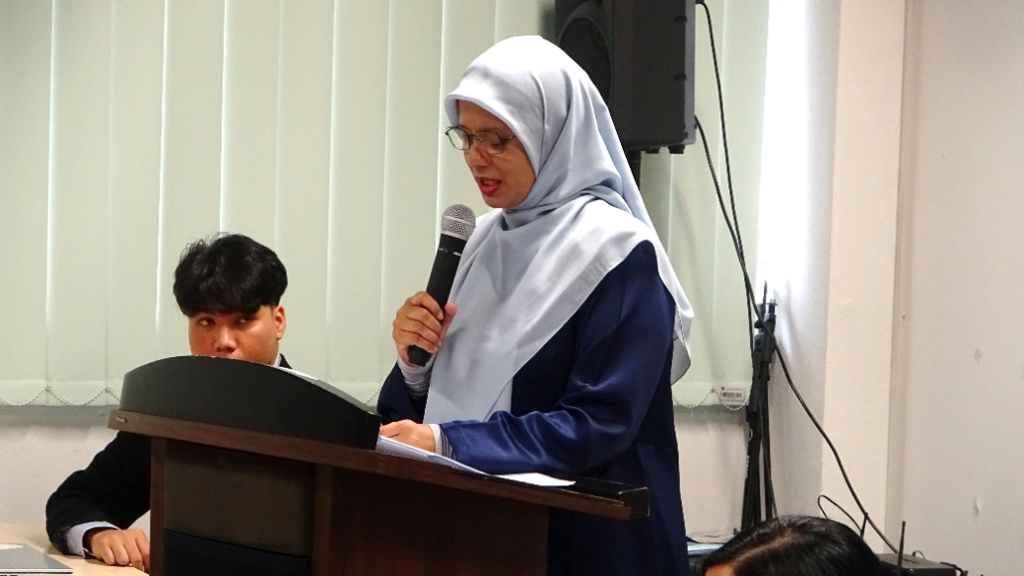
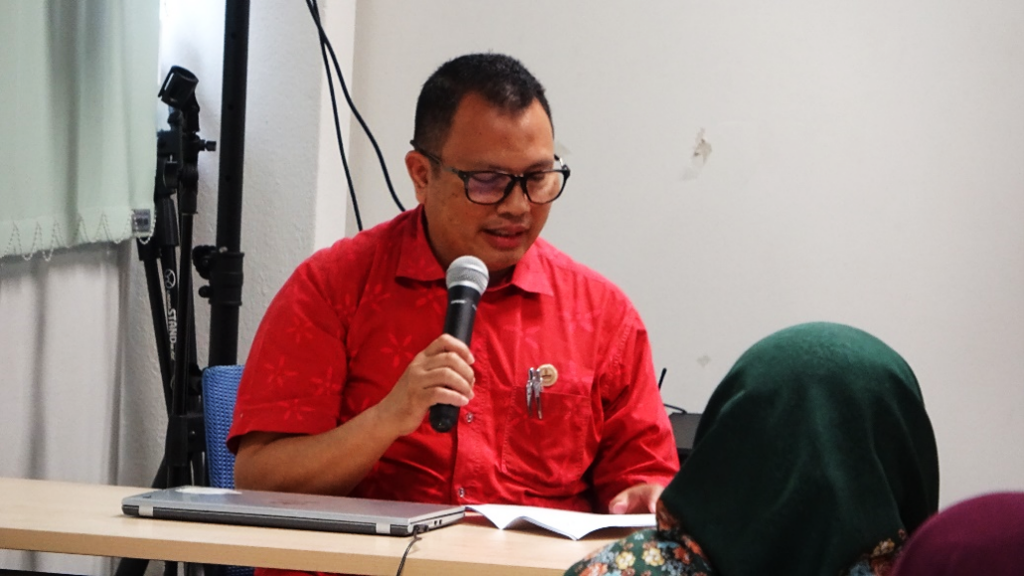
The programme began with an opening prayer, followed by welcoming remarks from Associate Professor Dr Norhazlina Husin, a Council Member of the Malaysian Translators Association. In her address, she welcomed the speaker and participants and emphasised the importance of academic programmes that broaden knowledge and strengthen professional networks within the translation community.
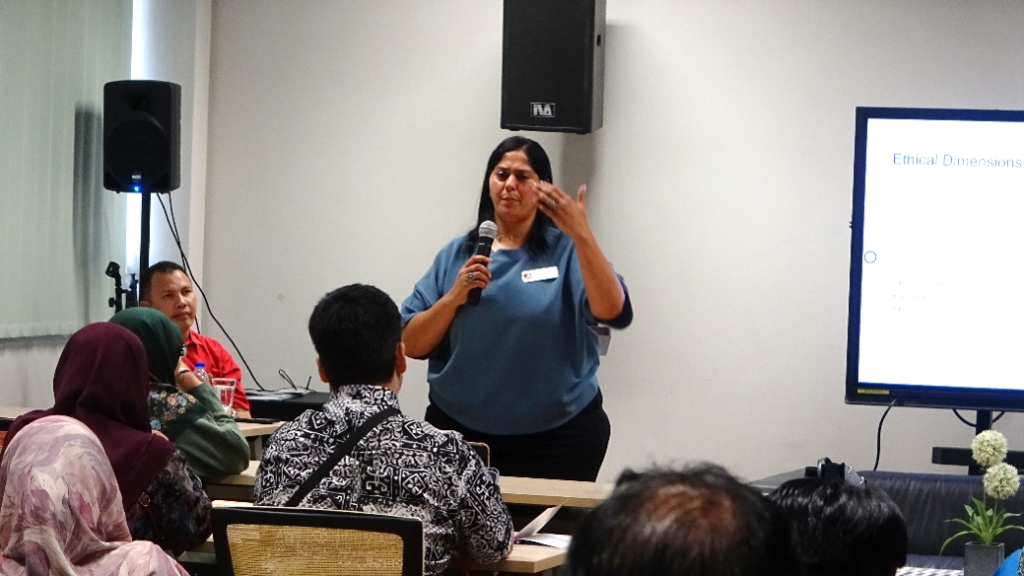
In her lecture, Associate Professor Dr Safa Elnaili explored the significance of literary translation in today’s global context and the translator’s role as a bridge between languages, cultures and societies. Her presentation also addressed the challenges involved in translating literary works, ethical considerations in translation, developments in the global publishing industry and the emergence of various contemporary literary genres.
She explained that literary translation extends beyond the transfer of meaning from one language to another. It requires a high level of linguistic proficiency, a deep understanding of cultural contexts and sensitivity to the emotions, style and creativity embodied in a literary work. Translators therefore bear the important responsibility of conveying the messages and values of a work to readers from different linguistic and cultural backgrounds without compromising the identity and distinctive qualities of the original text.
Technological developments, particularly the use of artificial intelligence (AI), were also discussed during the lecture. While AI can support and accelerate certain aspects of the translation process, human judgement remains indispensable in addressing cultural nuances, emotional depth, creativity and linguistic subtleties—the very elements that lie at the heart of literary works. Technology should therefore be regarded as a tool that complements translators’ expertise rather than as a complete substitute for human involvement.
The lecture was followed by a question-and-answer session, which allowed participants to engage directly with the speaker and seek further clarification on current issues, challenges and developments in literary translation. The exchange of views enriched the discussion and underscored the value of professional discourse in promoting a deeper understanding of literary translation and enhancing the quality of translation practice.
The programme concluded with the presentation of a certificate of appreciation to the speaker, followed by a group photo session and refreshments. This public lecture reflects MTA’s continuing commitment to advancing the translation profession, strengthening the competencies of language practitioners and providing a credible platform for knowledge exchange at both national and international levels.