MTA Town Hall Provides Insights into the Translator Accreditation System
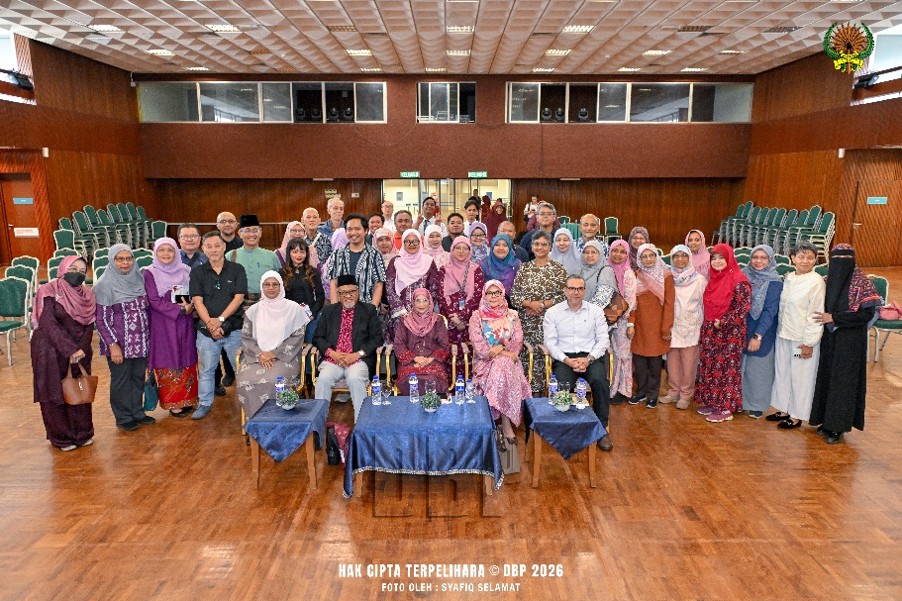
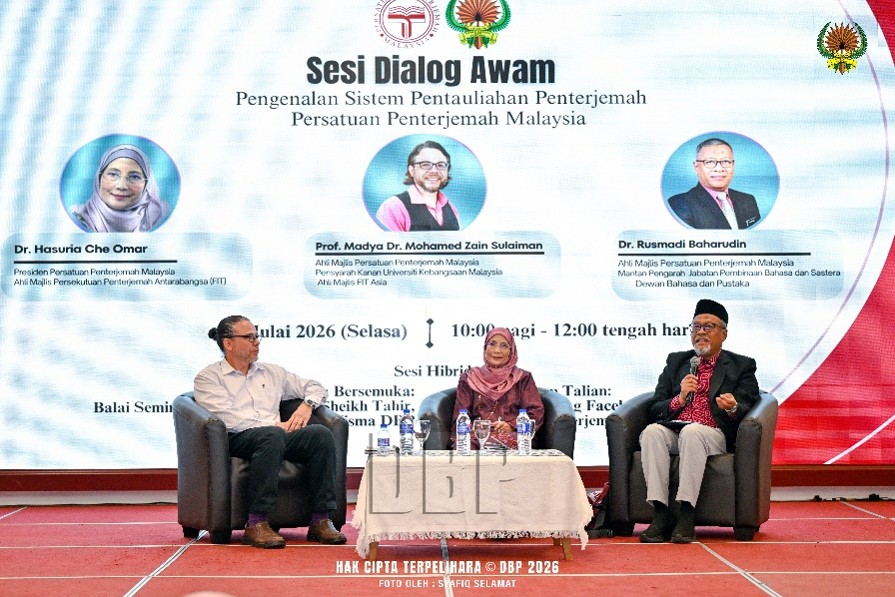
KUALA LUMPUR, 28 July 2026 – The Malaysian Translators Association (MTA), organised a town hall entitled “Introduction to the Translator Accreditation System” at Balai Seminar Tun Dr. Hamdan Sheikh Tahir, Level 6, Wisma Dewan Bahasa dan Pustaka (DBP).
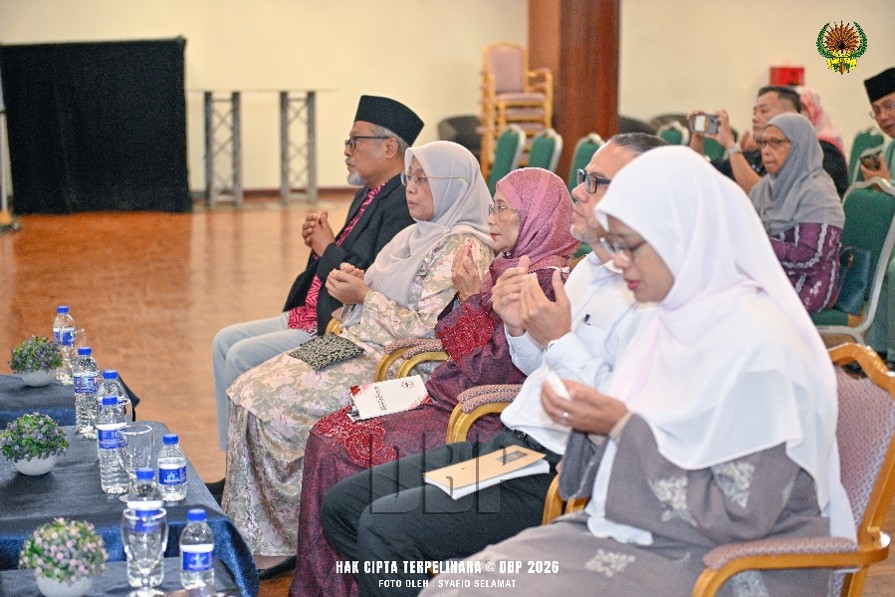
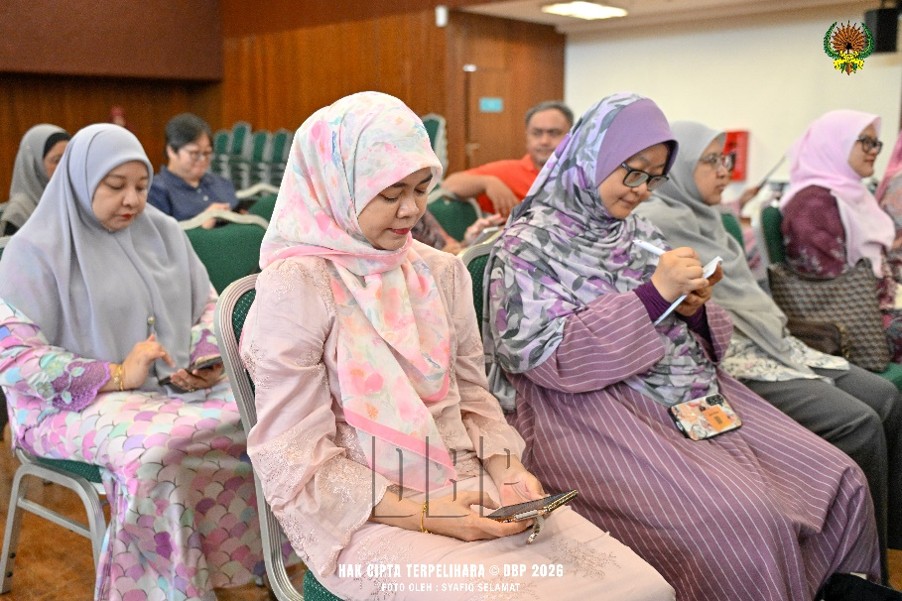
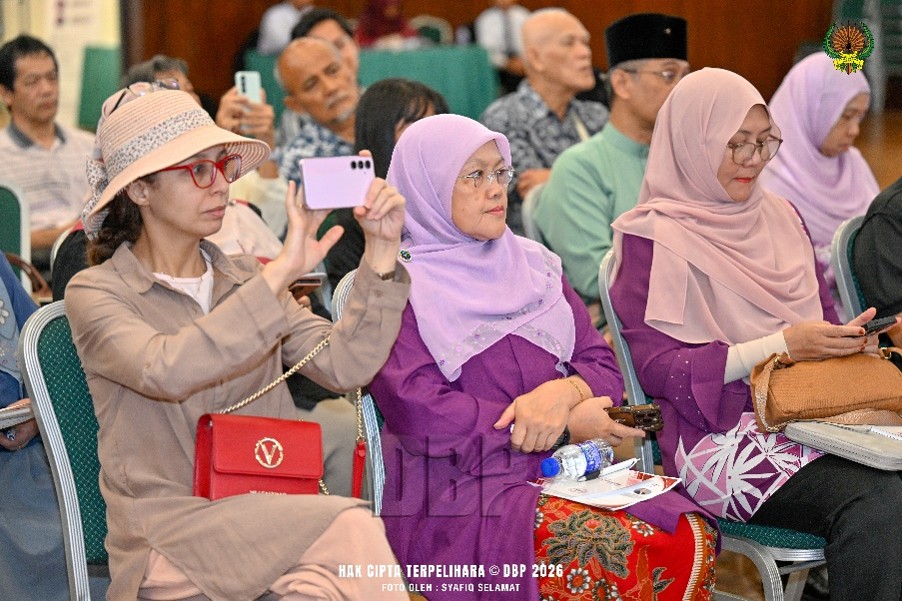
The two-hour hybrid town hall brought together 111 participants, comprising 61 in-person attendees and 50 online participants. The strong turnout reflected the considerable interest among industry practitioners, academics and other stakeholders in the development of a professional accreditation system for translators in Malaysia.
The town hall aimed to provide a comprehensive overview of the accreditation system currently being developed by MTA. It also provided a platform for two-way engagement, enabling participants to share their views and provide feedback on the proposed system.
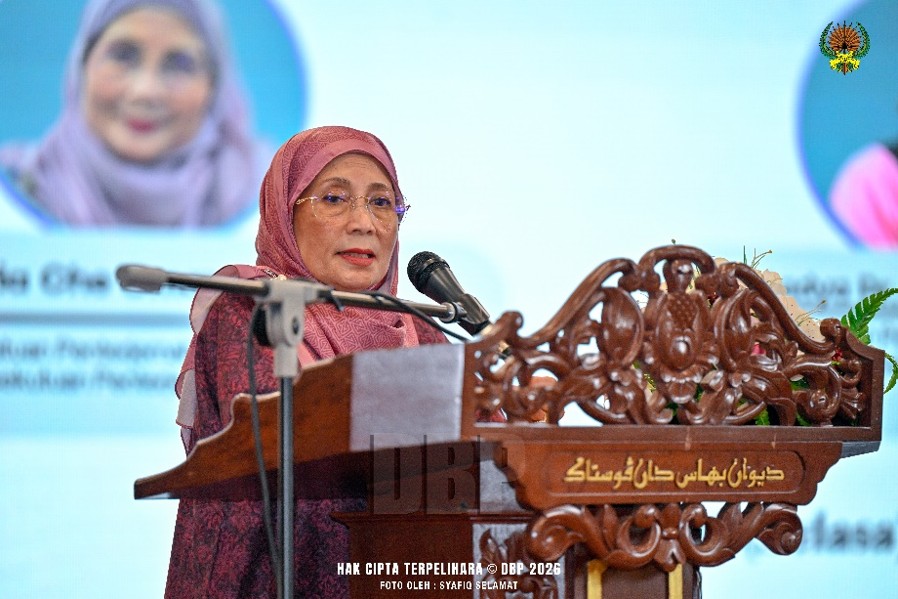
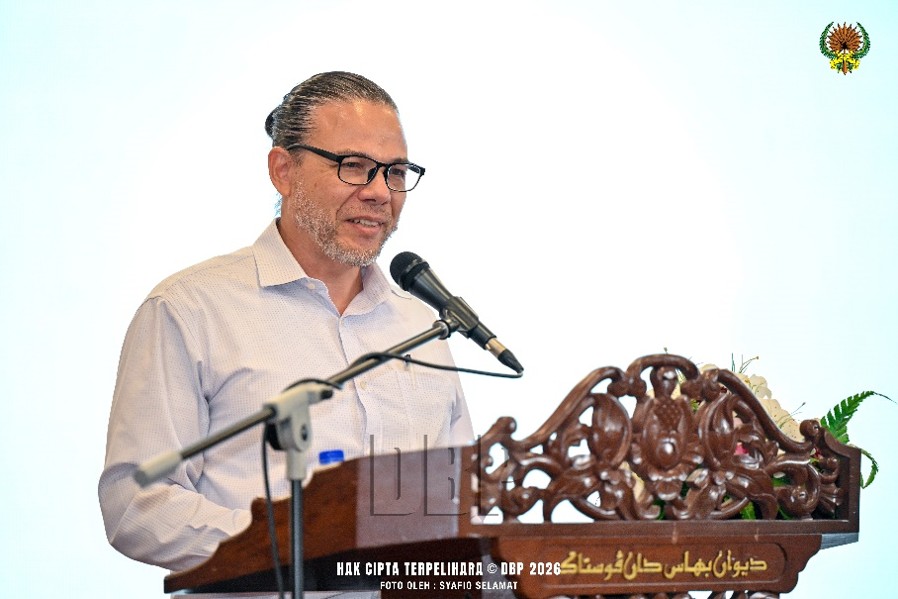
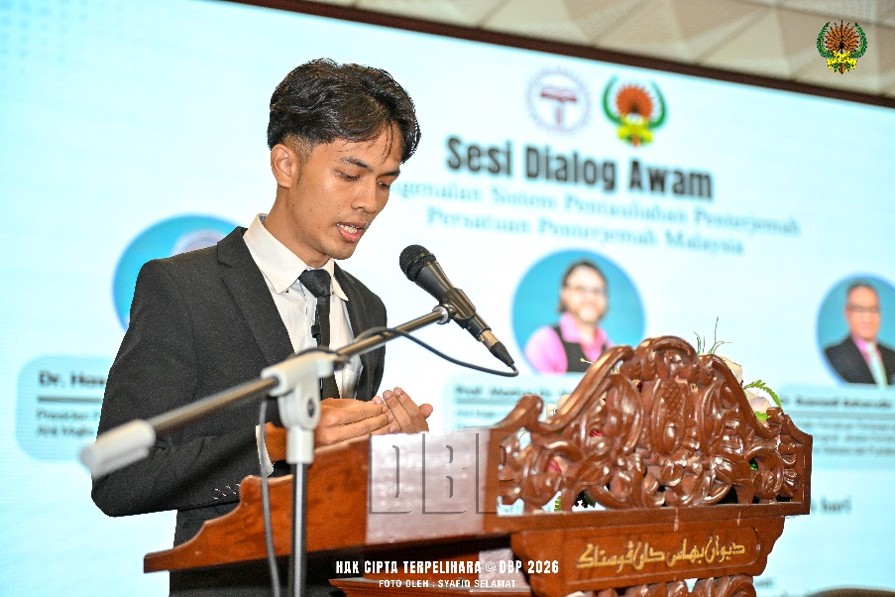
The programme began with a prayer recital, followed by welcoming remarks from the President of MTA, Dr. Hasuria Che Omar. It then proceeded with a presentation on the Translator Accreditation System by Associate Professor Dr. Mohamed Zain Sulaiman, a member of the MTA Accreditation Committee.
The key points highlighted during the presentation and briefing included the following:
Strengthening Professional Standards for Translators
Accreditation serves as an important mechanism for recognising translators’ competencies and strengthening public confidence in the quality of translation services. The system will also provide clearer benchmarks for assessing translators’ knowledge, skills and professional ethics.
The accreditation system is also intended to protect the public from translation services that do not meet the required standards. This is particularly important because translation is a complex professional activity involving not only the transfer of meaning between languages but also an understanding of culture, context, communicative purpose and users’ needs.
The role of translation in bridging languages and cultures, expanding the dissemination of knowledge, supporting economic activities and strengthening international cooperation was also emphasised. In the context of current technological developments, artificial intelligence (AI) and machine translation applications can assist the translation process. However, they should not entirely replace human judgement, expertise and professional responsibility.
In developing the system, MTA has taken into account international practices and benchmarks, including the system implemented by the National Accreditation Authority for Translators and Interpreters (NAATI). The perspectives and cooperation of various stakeholders are also being considered to ensure that the system meets the needs of the translation profession and industry in Malaysia.
Accreditation Test Mechanism and Implementation
Accreditation certificates will be issued by MTA. The development and implementation of the system are supported by FIT Asia. Assessment will be conducted using an established band-based grading system and assessment rubrics to ensure that the process is systematic, transparent and fair.
During its initial phase, the accreditation test will focus on translation from English into Malay. The test will initially be administered as a pen-and-paper examination before being expanded to other language directions based on demand and emerging needs. Accreditation for interpreters will be developed in a subsequent phase. The inaugural test is scheduled to take place in September 2026, with the results expected to be announced within two months of the examination.
The accreditation is voluntary and does not replace academic qualifications in translation. Nevertheless, such professional recognition is expected to become increasingly important, particularly for assignments involving official documents, corporate services, product labelling and court proceedings.
Candidates who do not hold a diploma or bachelor’s degree in translation will be required to complete two compulsory courses before sitting for the accreditation test: Code and Ethics, and Intercultural Skills.
Continuing Professional Development
Accreditation must be renewed every three years through the accumulation of Continuing Professional Development (CPD) points. Accredited translators will be required to participate in relevant workshops, courses or other professional development activities and pay the prescribed renewal fee. The renewal mechanism is intended to ensure that accredited translators continue to enhance their knowledge and competencies in line with developments in language, technology and industry needs.
In response to developments in AI, MTA has also identified the need to offer a post-editing course as part of its future professional development initiatives. Such training is important in enabling translators to evaluate, edit and improve translations generated by or produced with the assistance of technology, particularly in terms of accuracy, contextual appropriateness and language quality.
Open Dialogue with Participants
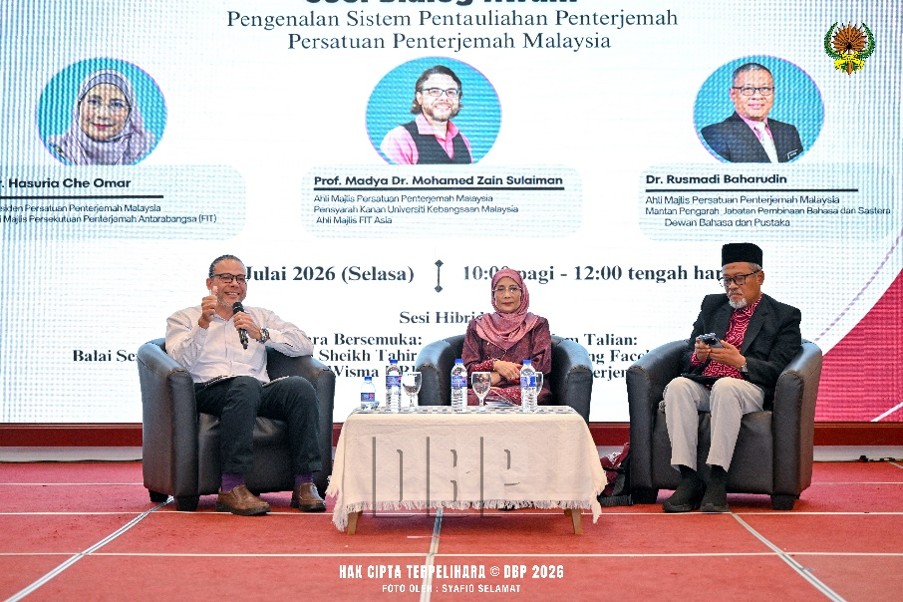
Following the presentation, the programme continued with a question-and-answer session moderated by Dr. Rusmadi Baharudin, who is also a member of the MTA Accreditation Committee. Dr. Hasuria Che Omar and Associate Professor Dr. Mohamed Zain Sulaiman served as panellists.
The dialogue generated active participation, with attendees raising a wide range of questions and sharing their views. The matters discussed included mechanisms for regulating the test, measures to ensure fairness in assessment, the recognition of credentials issued by other professional bodies such as NAATI and the Chartered Institute of Linguists (CIOL), the language directions to be tested and the method of administering the examination.
Participants also sought clarification on the recognition of the accreditation for assignments undertaken abroad, plans for interpreter accreditation, the renewal process, CPD programmes, and mechanisms for handling complaints and monitoring quality. The feedback received during the session provided valuable input for MTA in refining the system before its full implementation.
Overall, the Town Hall on the Introduction to the Translator Accreditation System provided a constructive platform for engagement between MTA, industry practitioners, academics and other stakeholders. The initiative reflects MTA’s continuing commitment to enhancing the quality of translation services, strengthening public confidence in professional translators and advancing the translation profession in Malaysia.
The programme concluded with a group photo session and lunch.